writing exercises: identity
writing about my past has always helped me understand my present.
here are 3 identity exercise that encourage you to explore yourself both then and now.
writing about my past has always helped me understand my present.
here are 3 identity exercise that encourage you to explore yourself both then and now.
last night, i went to a late show at the sweedish american music hall. composer jean-michel blais was playing a set.
perched atop a raised platform, his piano said little but managed to command my attention.
this is what he has to say on that matter:
“really, i think that, in silence, there’s something i find magnificent. and that’s what art is. that’s how i see it in my heart... sometimes, when there are no words, instrumental music is one way to give an answer or to lead us on to something else.”
research shows music positive effects on the damaged brain. and blais’ music certainly does it for me. here’s one of my favorites.
below is a 360 degree videos from blais’ apartment, which is a good reminder that you don’t need a large audience or fancy gadgets to be an artist.
watched the aaron hernandez netflix documentary. some immediate takeaways:
aaron hernandez was an amazing athlete
aaron hernandez was a murderer
aaron hernandez was a gay man
aaron hernandez also had the worst brain damage doctors had ever seen.
yes, aaron hernandez was complicated. we don’t understand what he did or why he did it. what we do know is that the chronic traumatic encephalopathy (CTE) in his brain did not help.
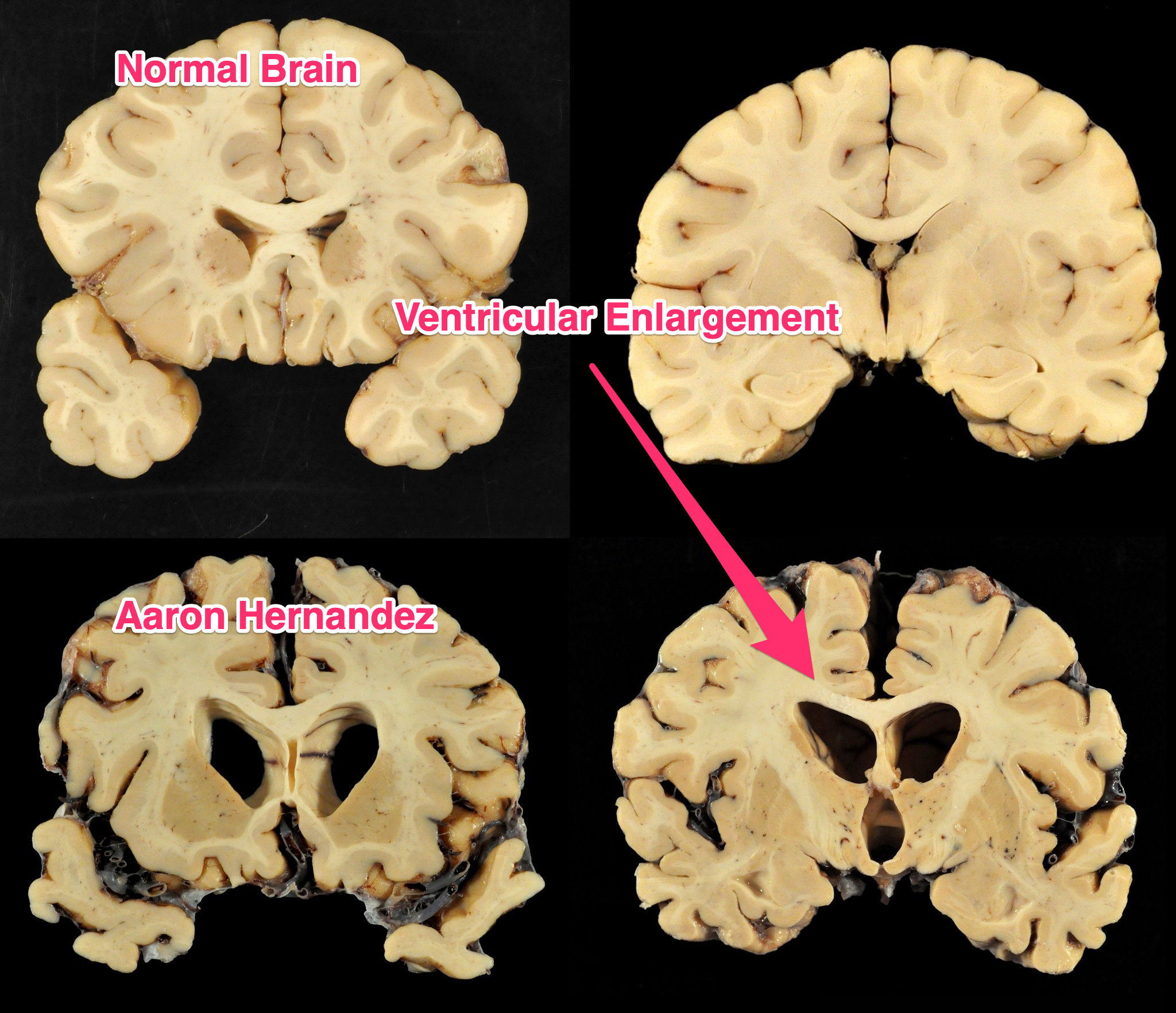
aaron hernandez suffered severe damage to parts of the brain that play an important role in memory, impulse control and behavior.
dr. ann mckee, neurologist and director of the CTE center at boston university, said the following after examining hernandez’s brain:
“In any individual we can’t take the pathology and explain the behavior. But we can say collectively, in our collective experience, individuals with CTE and CTE of this severity have difficulty with impulse control, decision-making, inhibition of impulses or aggression, often emotional volatility and rage behaviors.”
if her name looks familiar, it is. in 2017, mckee published the seminal study on CTE in football. Her research, which sampled 202 brains of deceased American football players, found that a 177 players across all levels (87%), including 110 of 111 NFL players (99%) showed signs of CTE.
the prevalence of CTE in football is still unknown. however, this link might provide an indication.
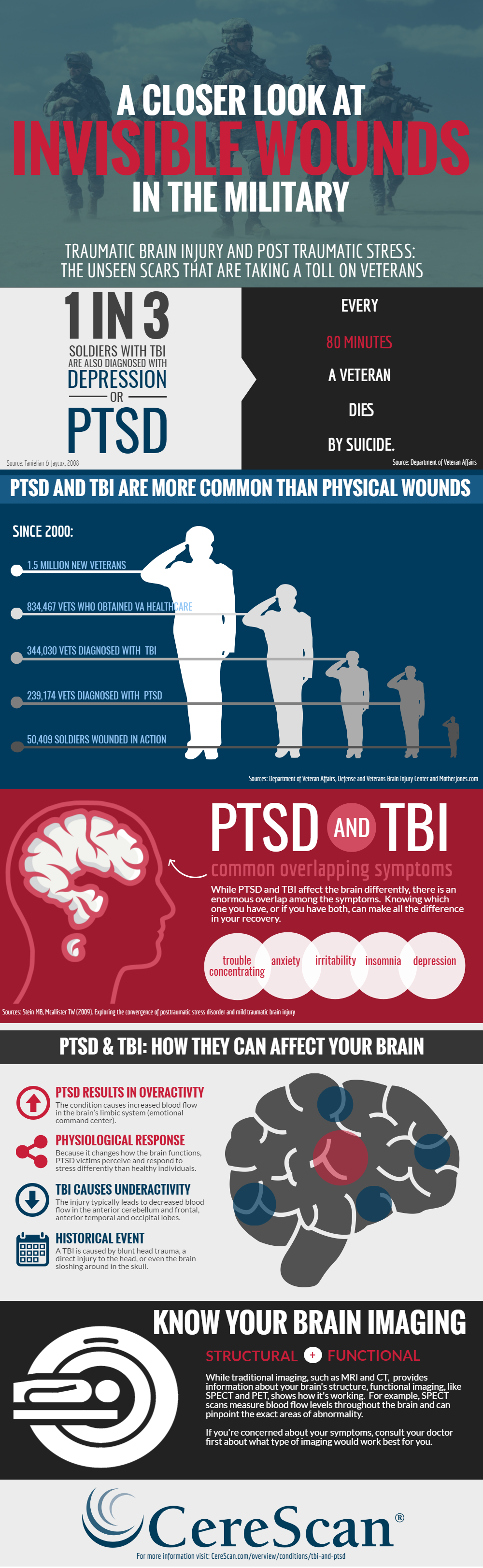
i was riding the bus when i read that tresident trump, in response to 34 service members receiving a TBI, said: “i heard they had headaches and a couple of other things, but i can report that it’s not very serious.”
i closed my eyes and took a deep breath.
not. very. serious.
that phrase cut deep. yes, it was untrue. but it was also dangerous.
i won’t regurgitate information that is available on the internet. however, i do understand Traumatic Brain injury (TBI).
and statements like this, especially when directed towards this specific subset of individuals, creates a narrative that minimizes the suffering of millions.
yes, the wounds of war are both visible and invisible. this is a fact. however, we cannot value one over the other. lives depend on it.
words matter.
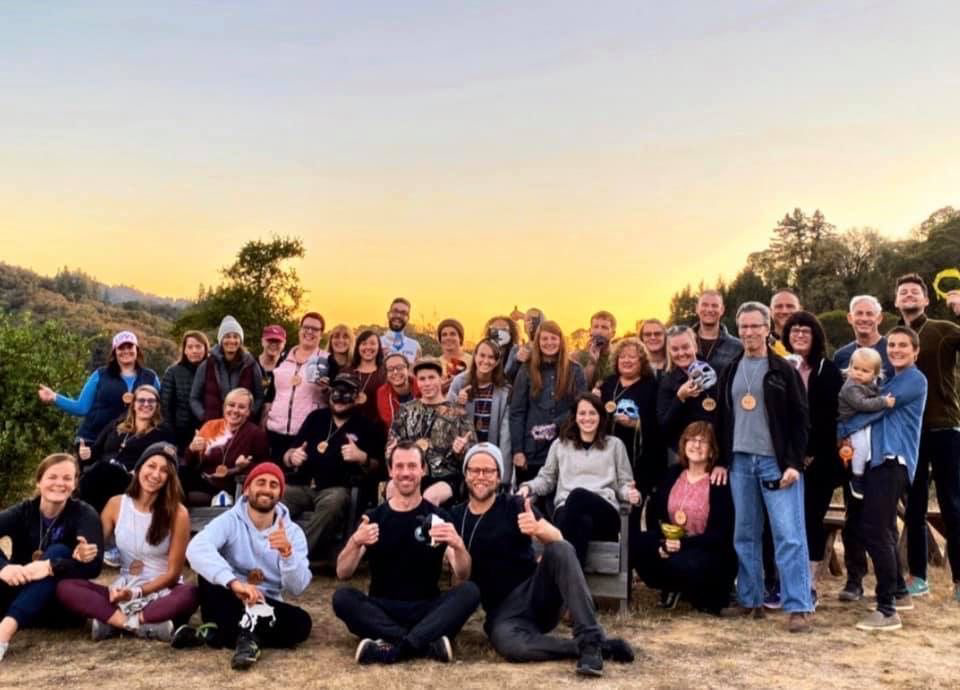
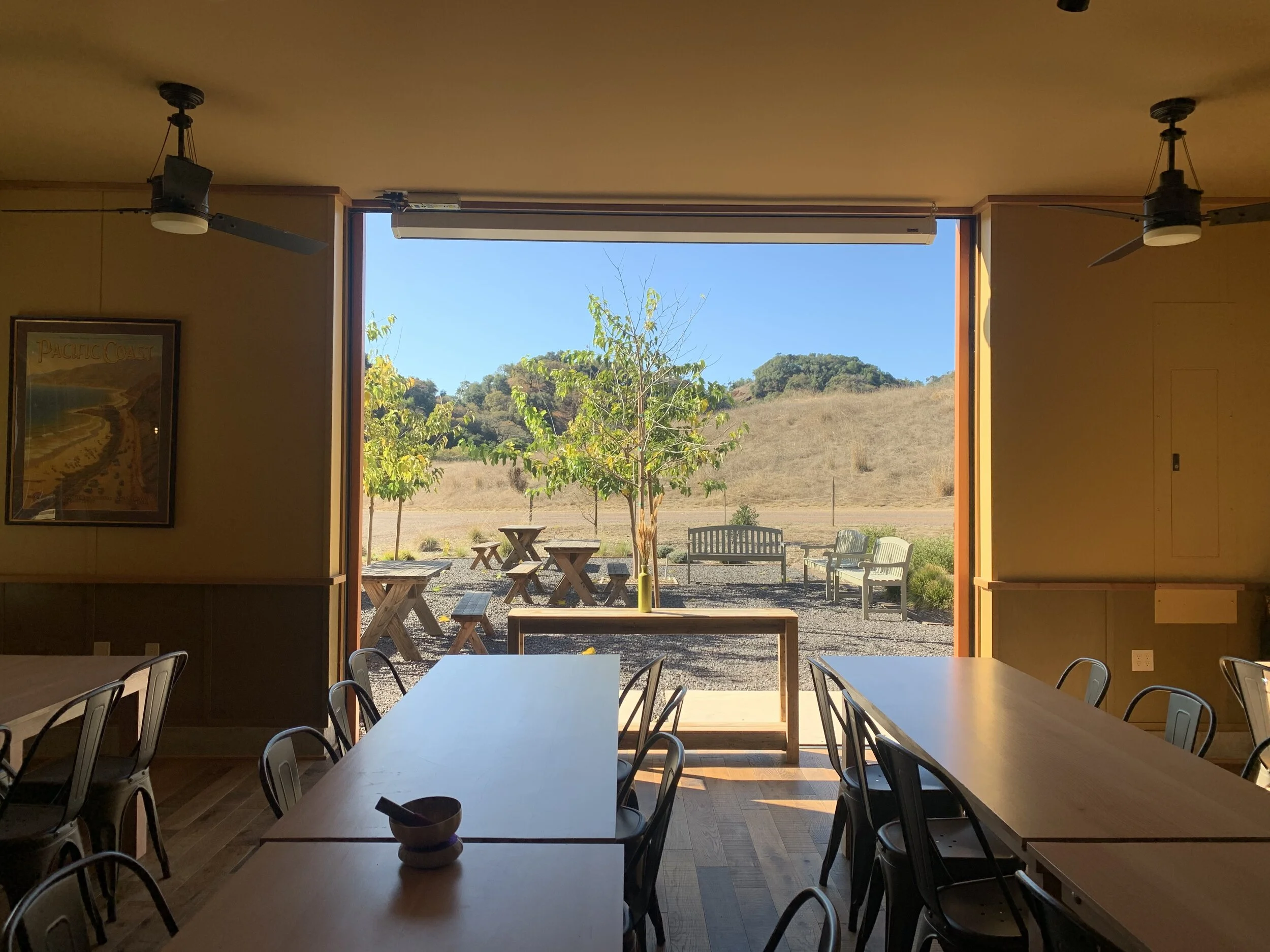
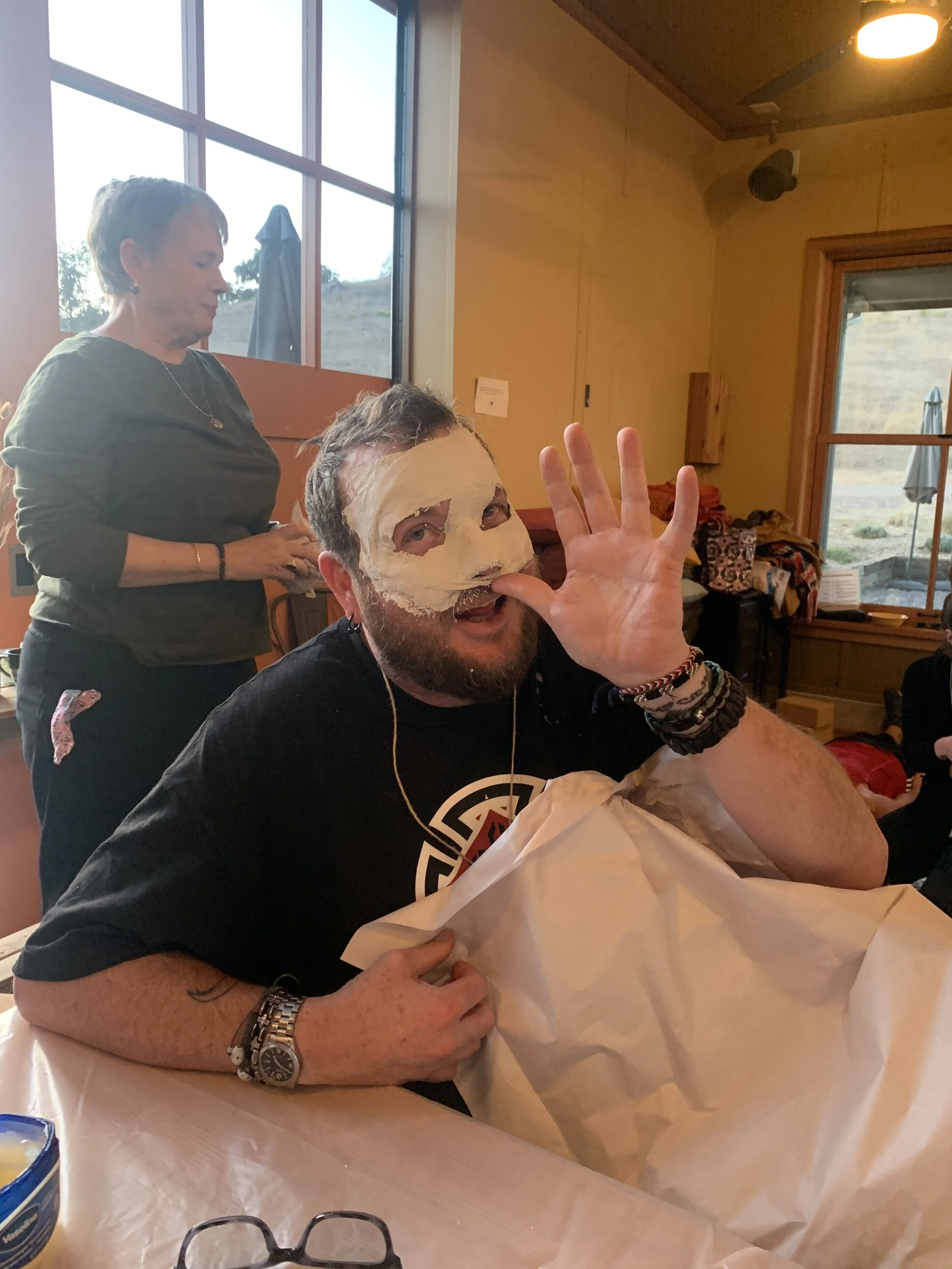
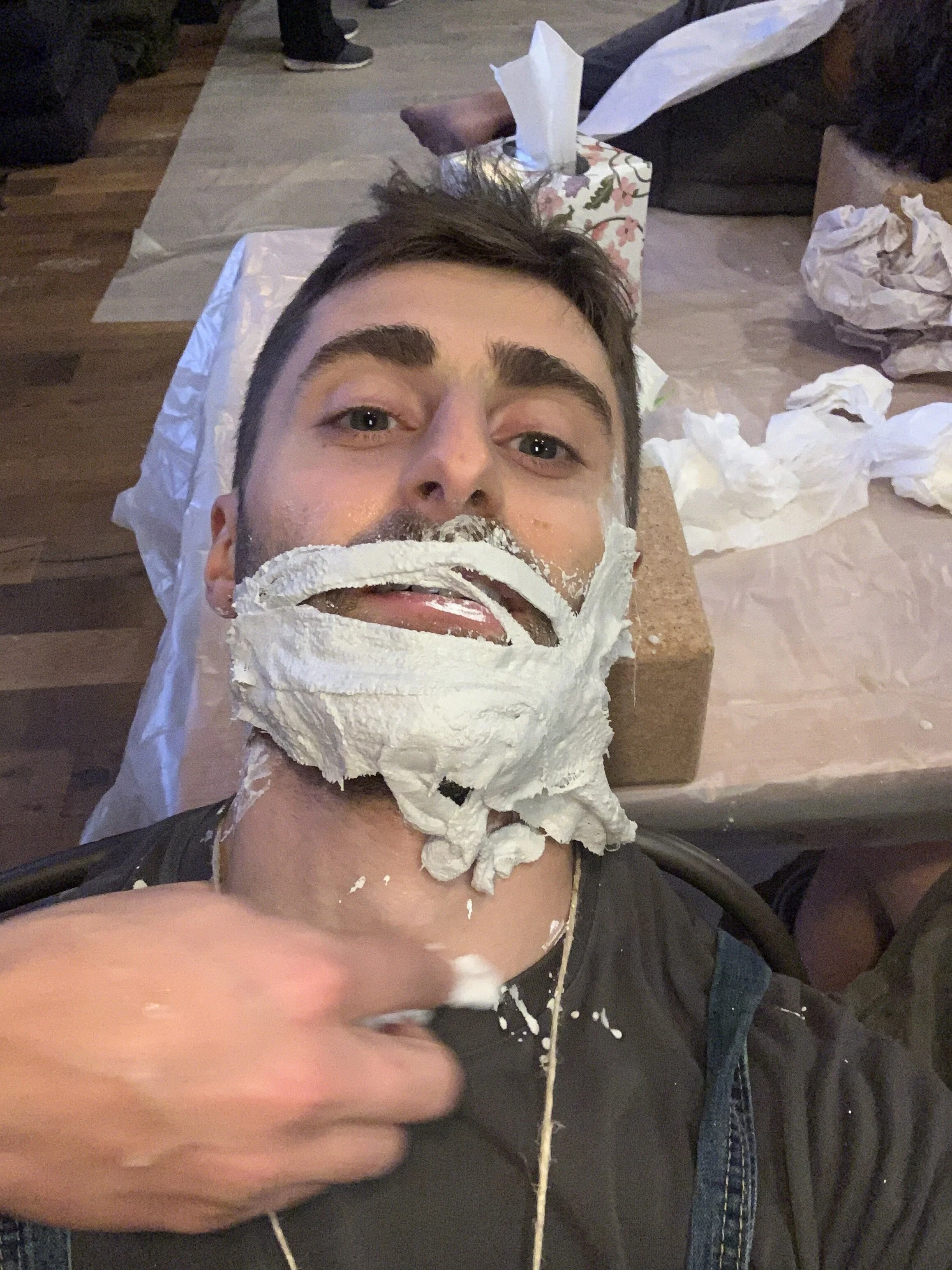
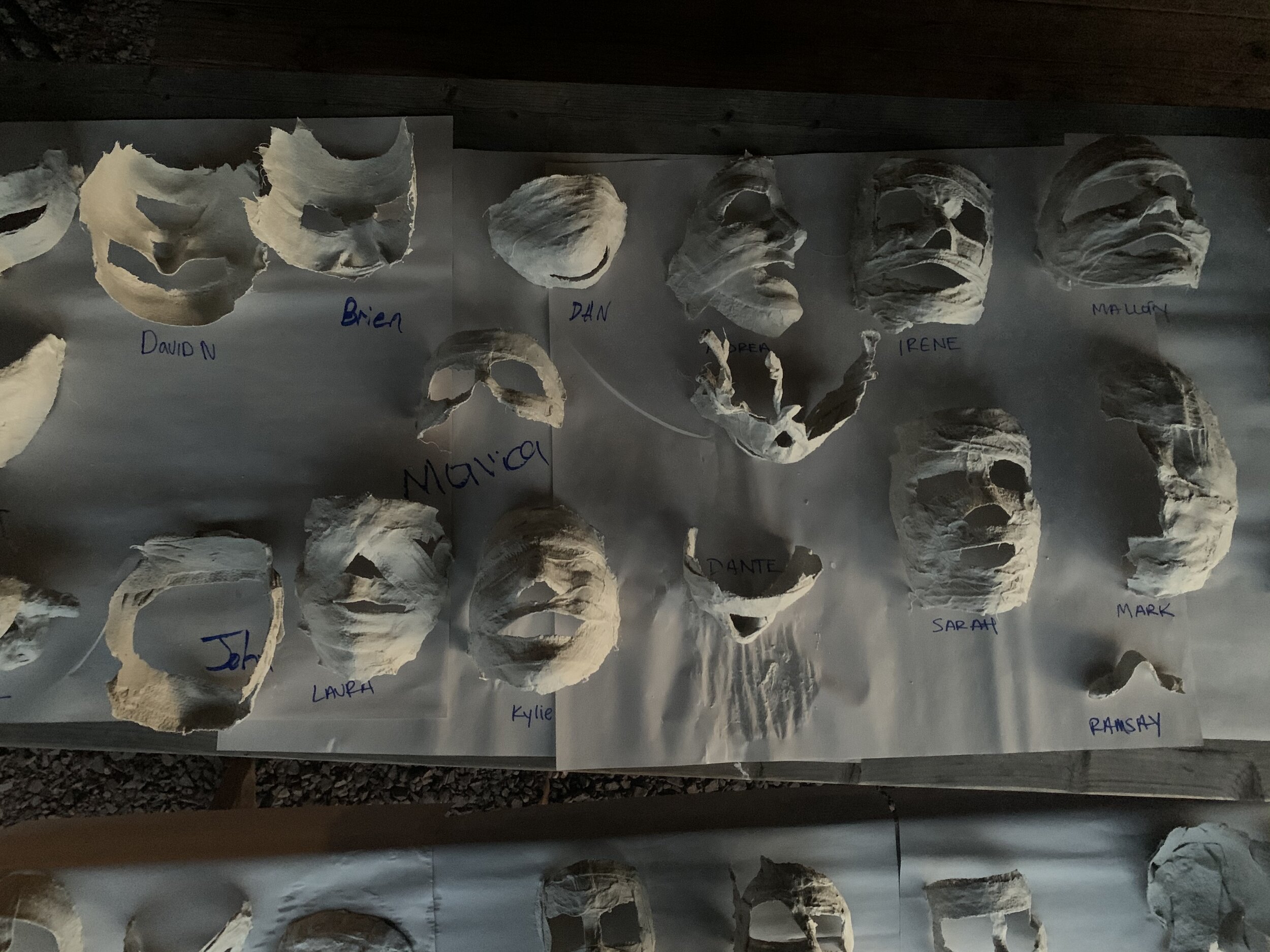
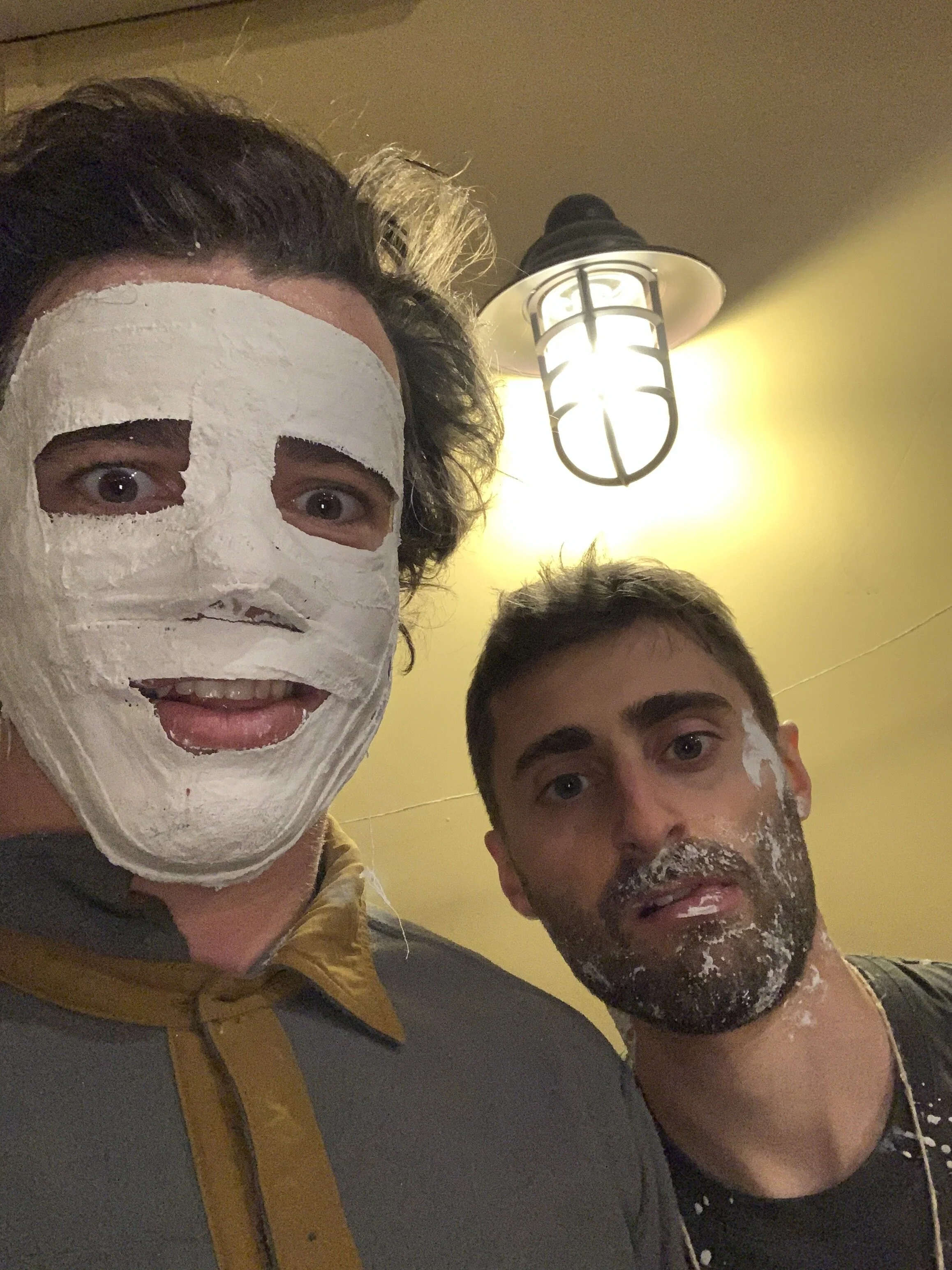
this past week, i had the complete joy of attending my second LYB retreat. the experience of these retreats is hard to describe. they are filled with both learnings and challenges. really, what they’re able to do is give a marginalized group of individuals a simple, yet important lesson: you are not alone.
may we scream until we’re heard.
during a conversation about TBI recovery, a friend asked me, “what does resilience mean to you?” stumped, i fumbled through through a definition, not giving a very clear answer (this is giving myself credit).
afterwards, i was a bit disappointed. i describe myself as resilient. so why couldn’t i define it? i know what is, what it feels like.
as is often the case, the answer came to me later in bed: you can’t define resilience. it looks different for everyone.
so, naturally, i wrote down a list of actions that could be seen as resilient.
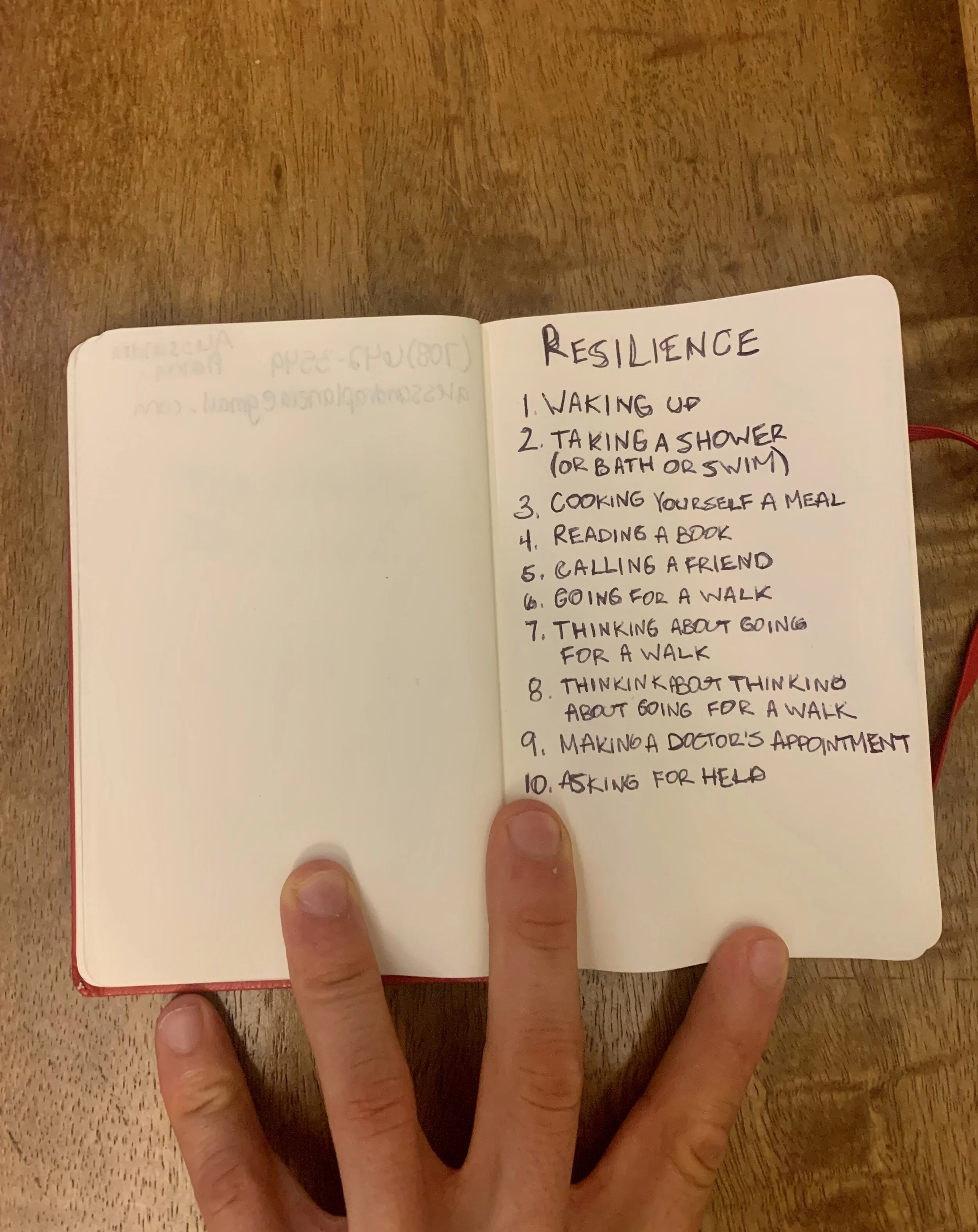
resilience is
1. waking up 2. taking a shower 3. cooking yourself a meal 4. reading a book 5. calling a friend 6. going for a walk 7. thinking about going for a walk 8. thinking about thinking about going for a walk 9. making a doctor’s appointment 10. asking for help
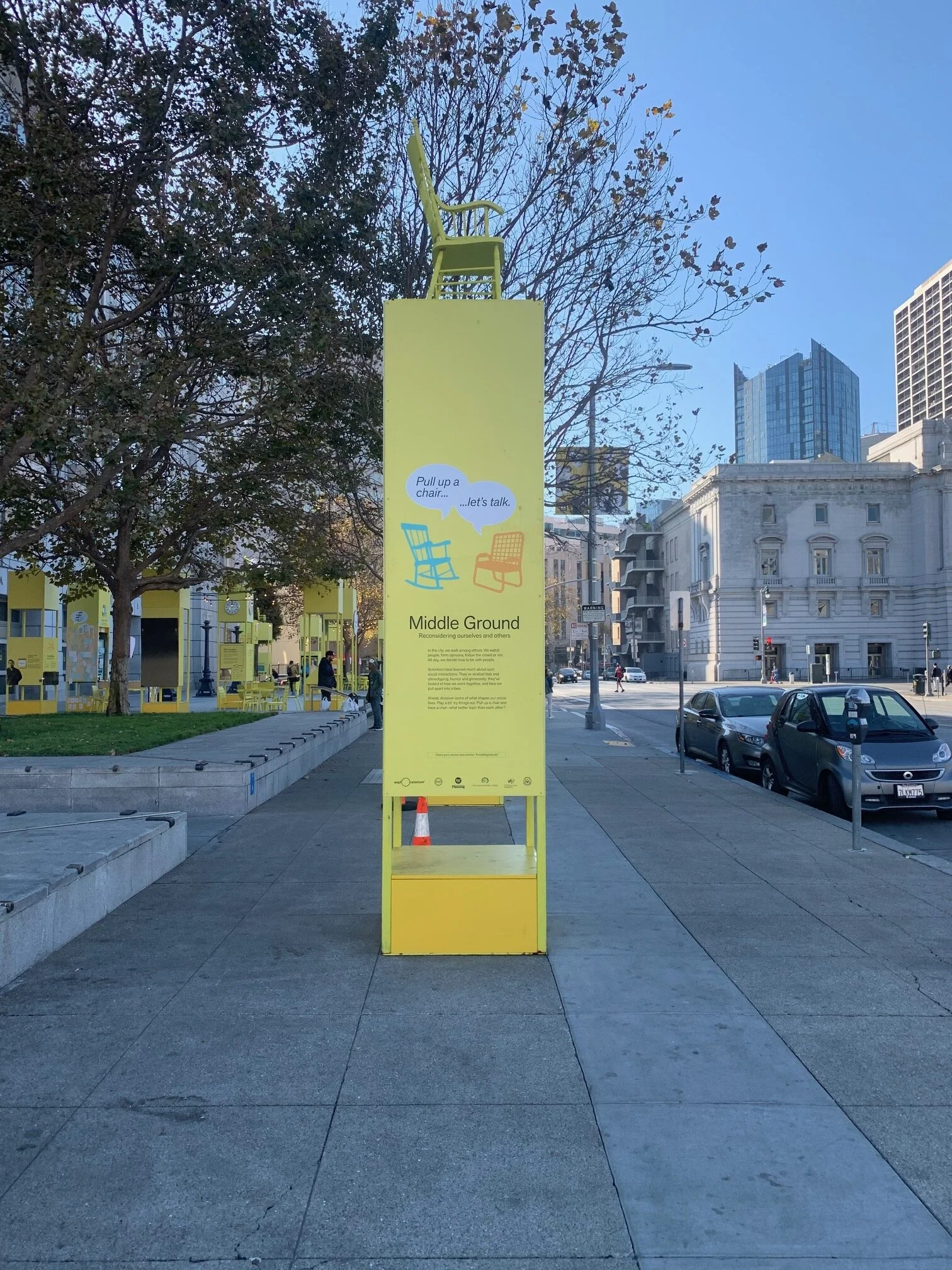
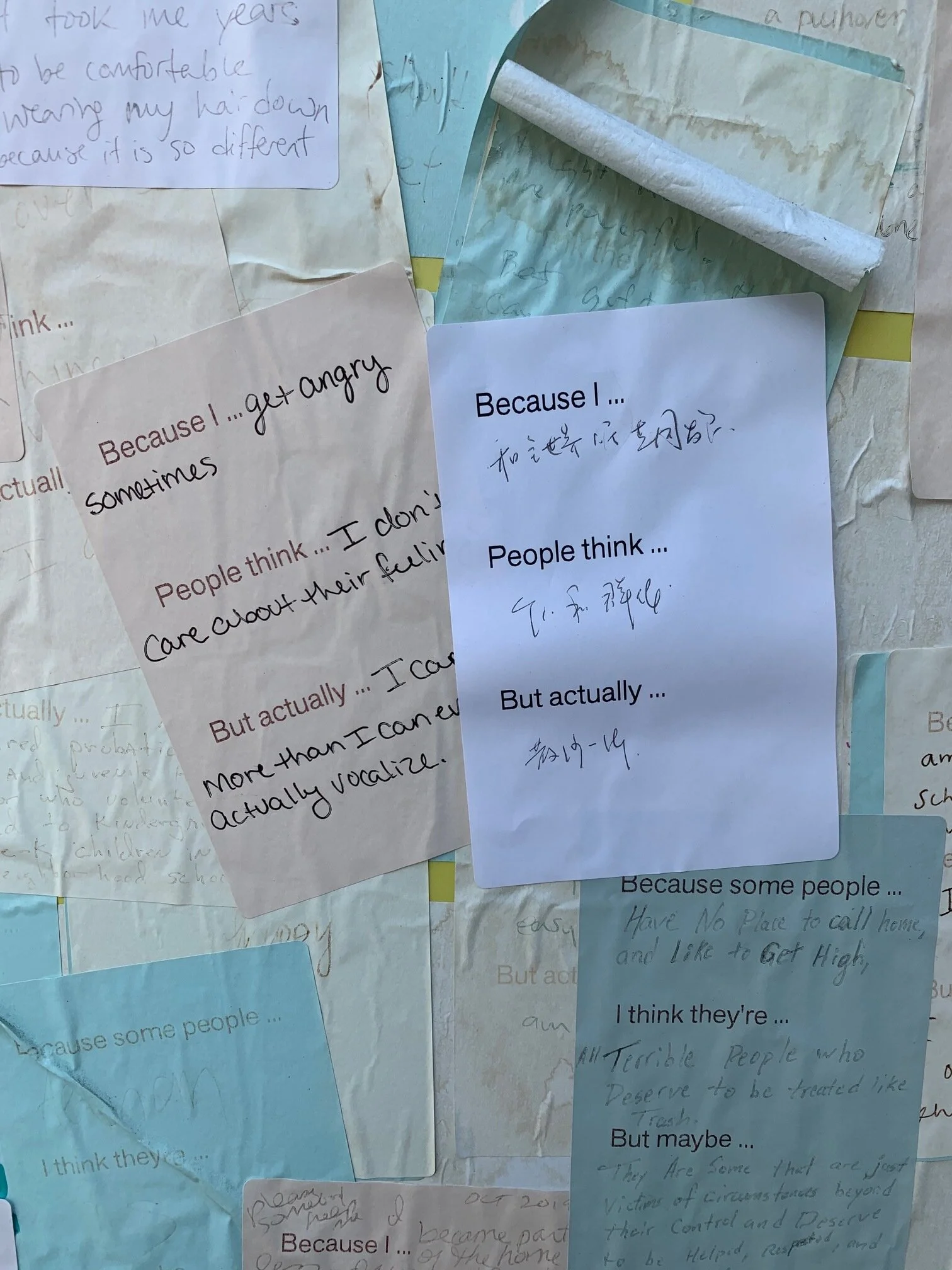
middle ground: reconsidering ourselves is an installation outside of san francisco’s main library. the exhibit gives residents the chance to address both the stereotypes they face and those they hold towards others.
i’ve passed it often, but never stopped to inspect. i don’t have much to say about it, other than it reminded me that despite our differences, we’re all fighting similar battles.
below are some snaps.
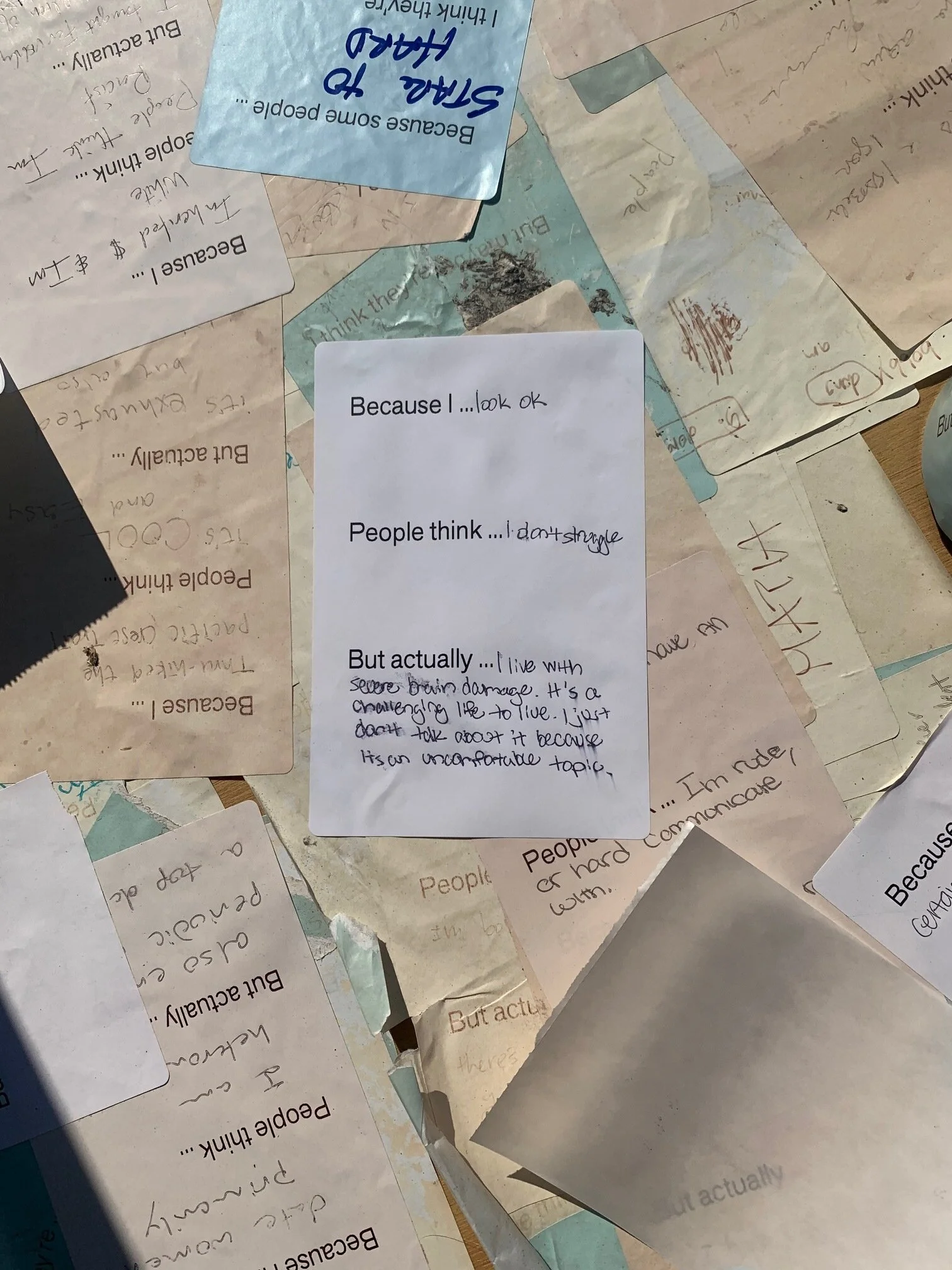
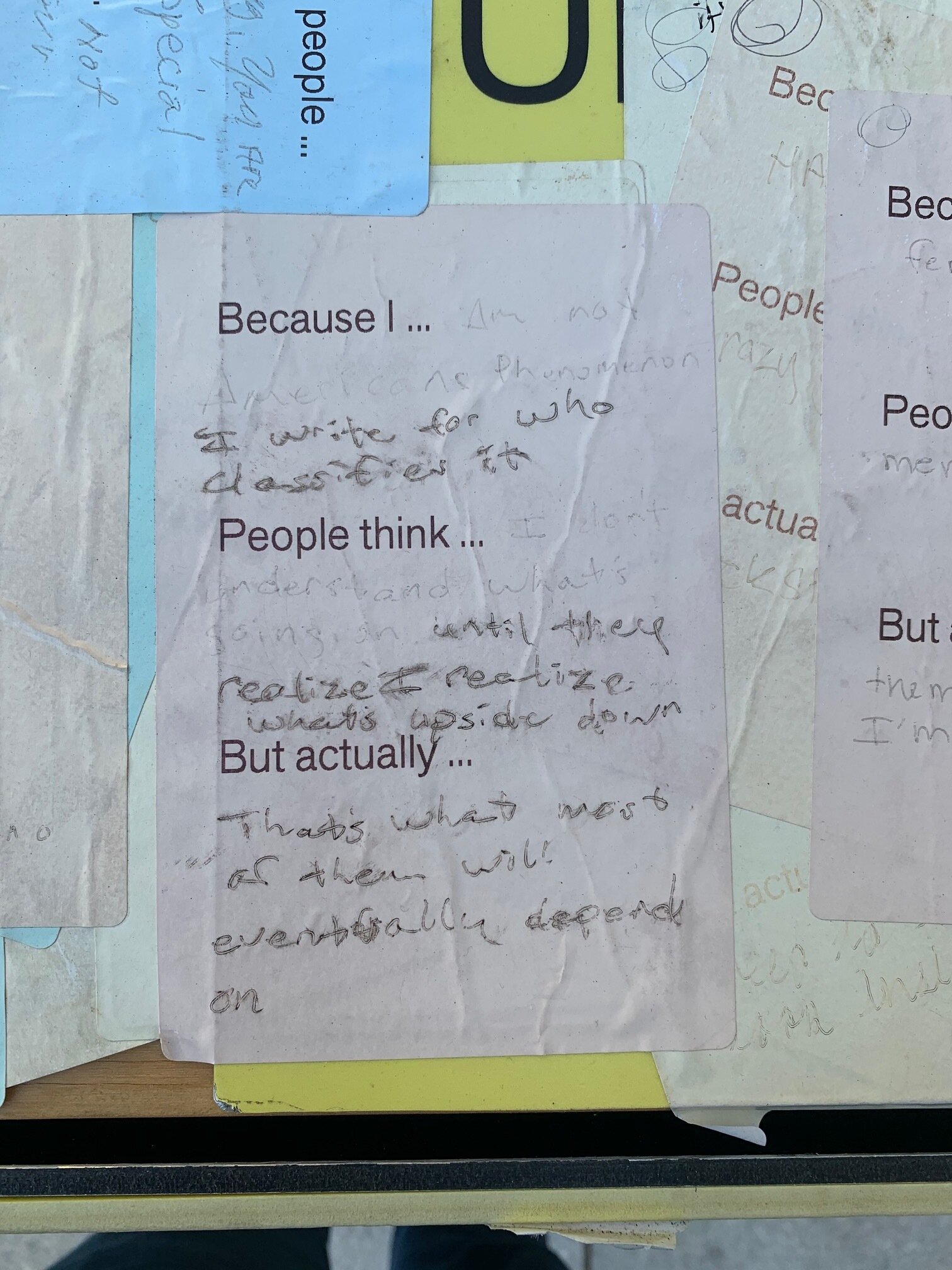
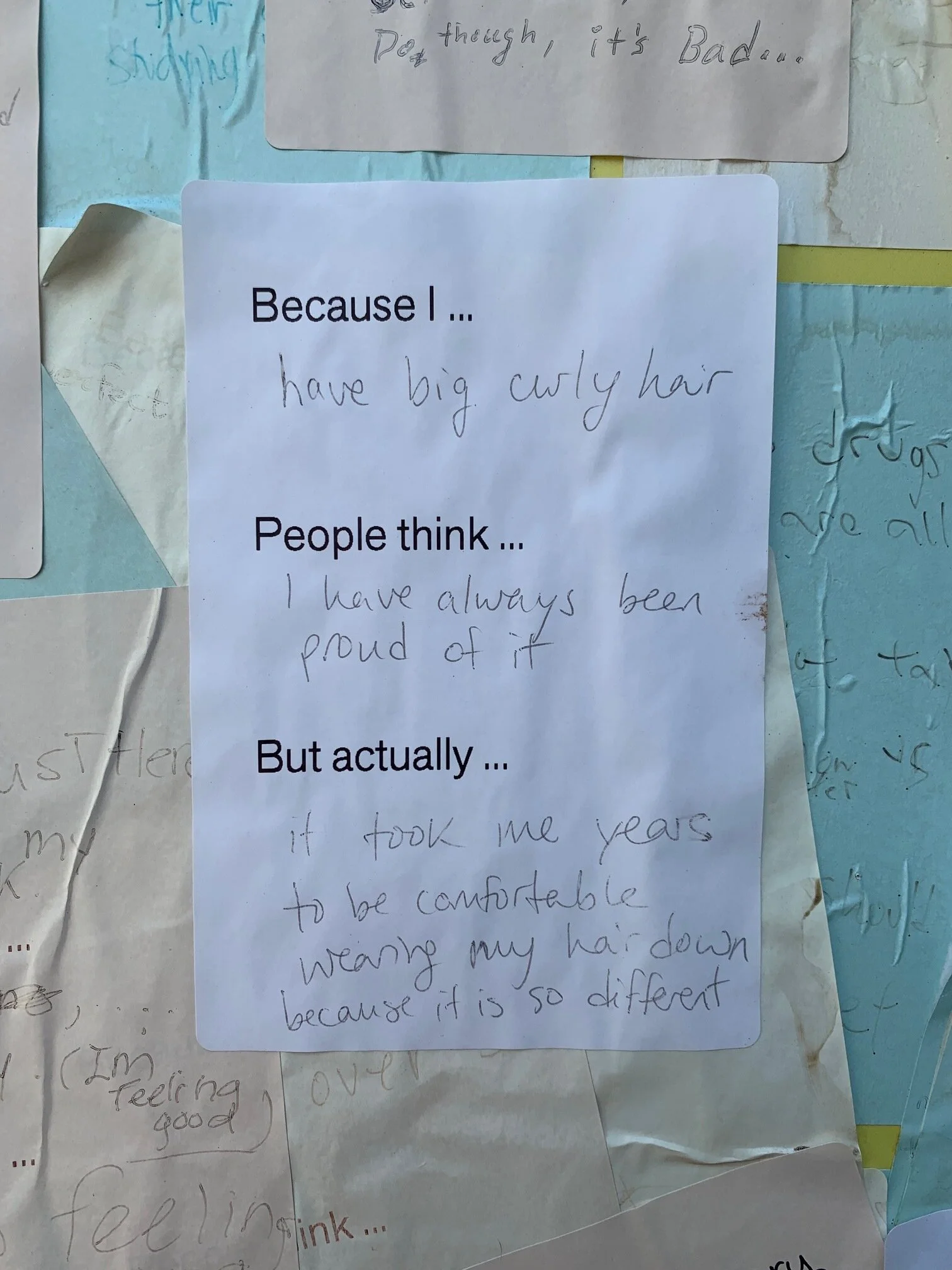
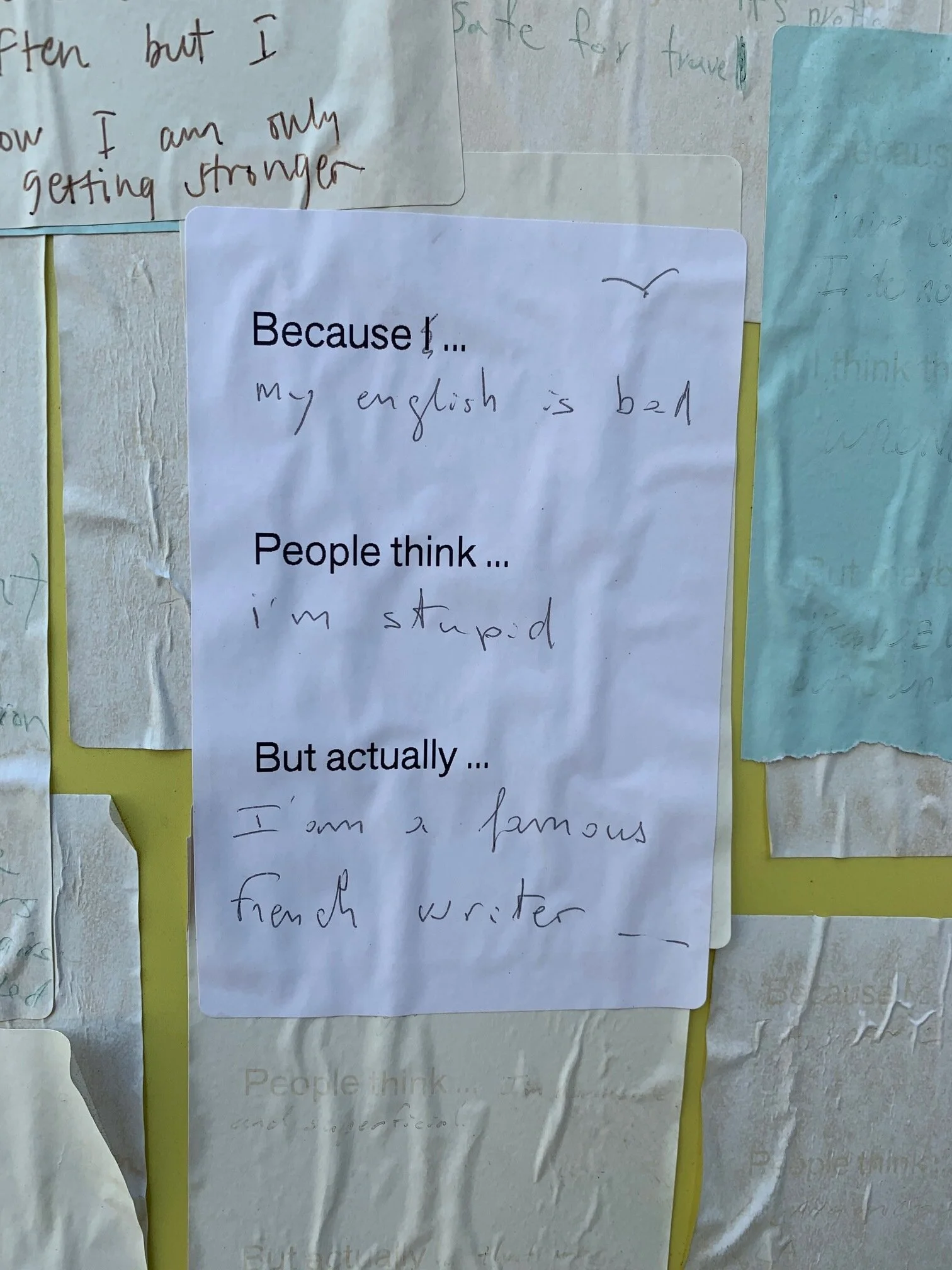
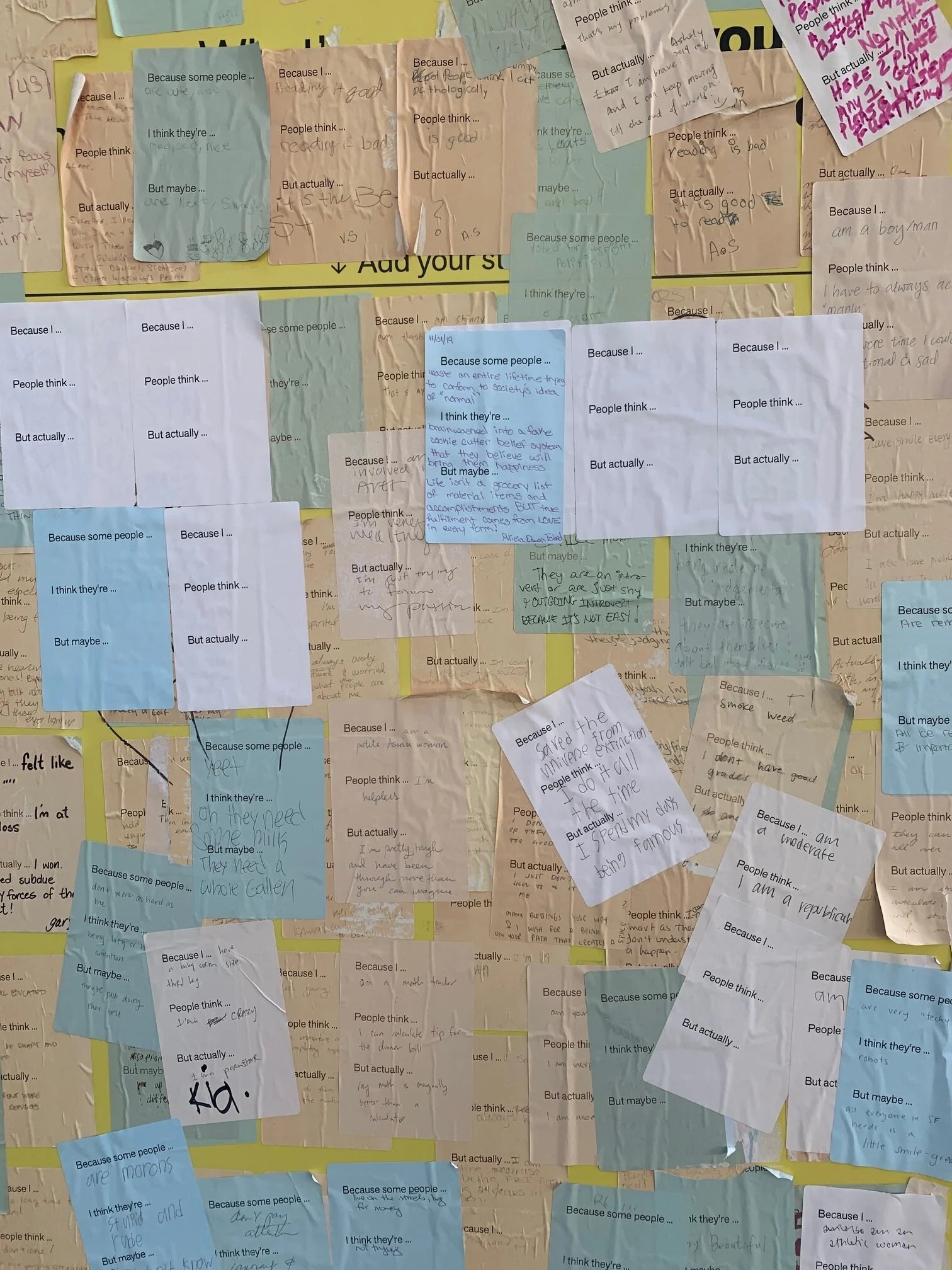
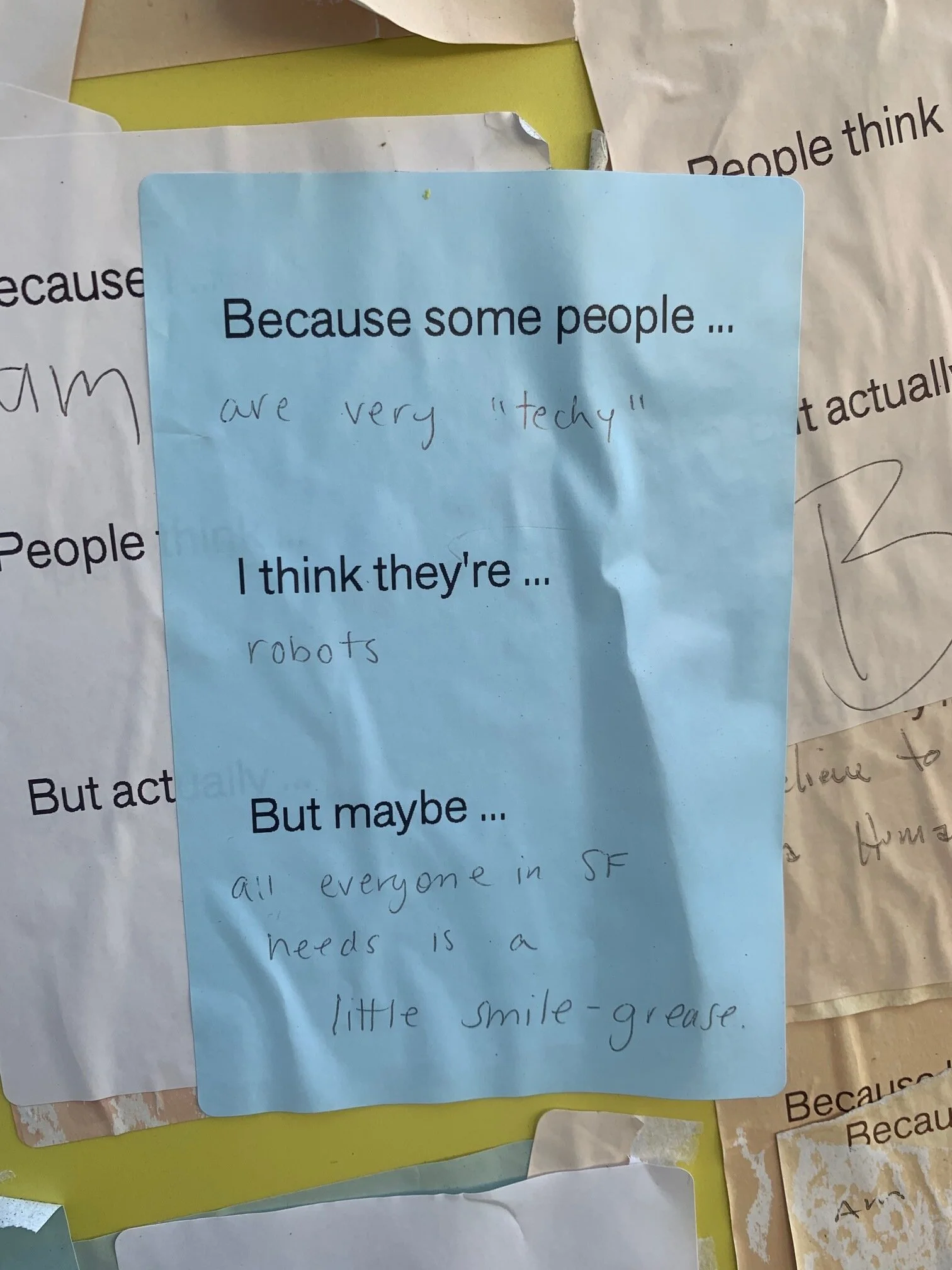
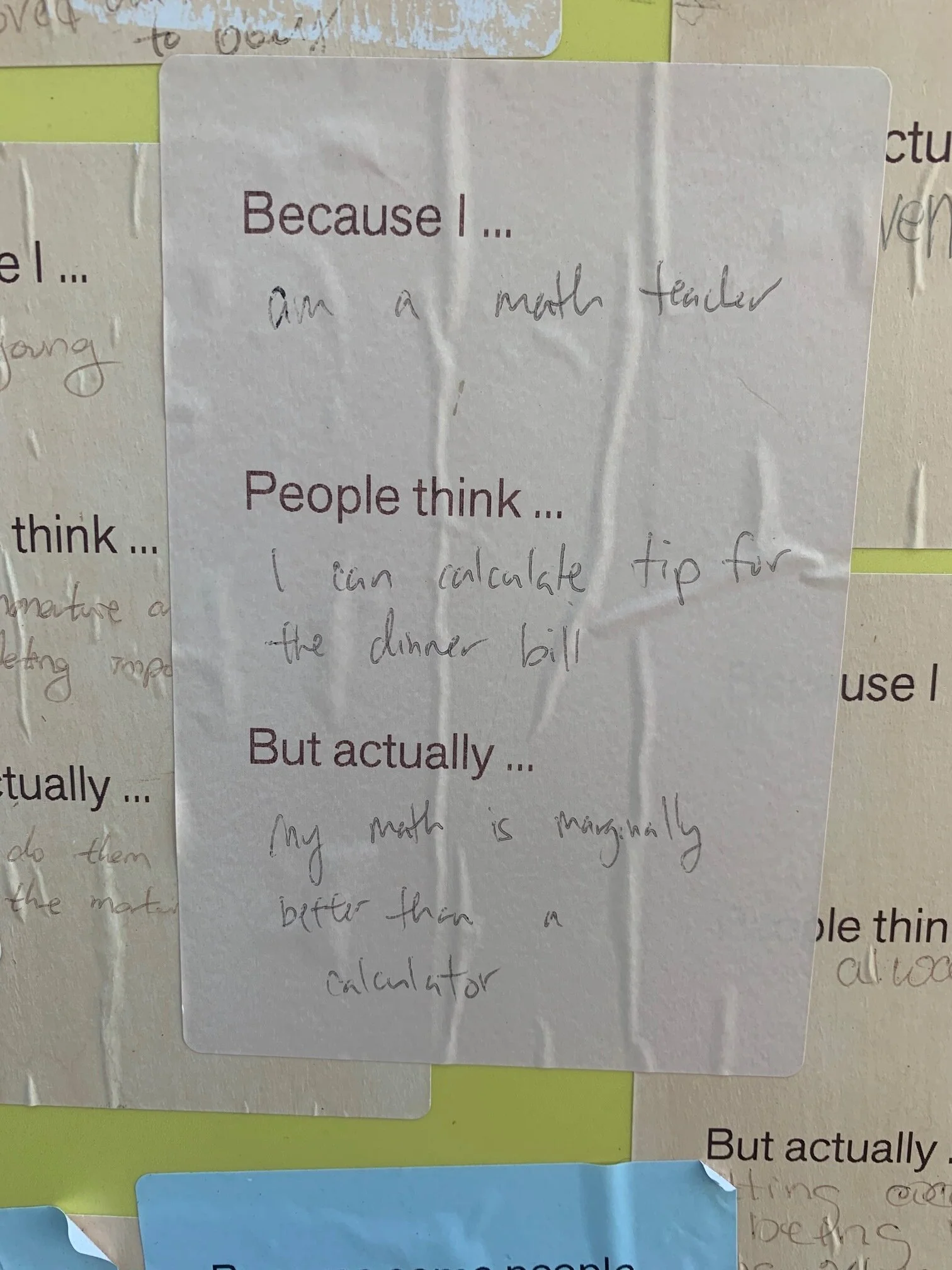
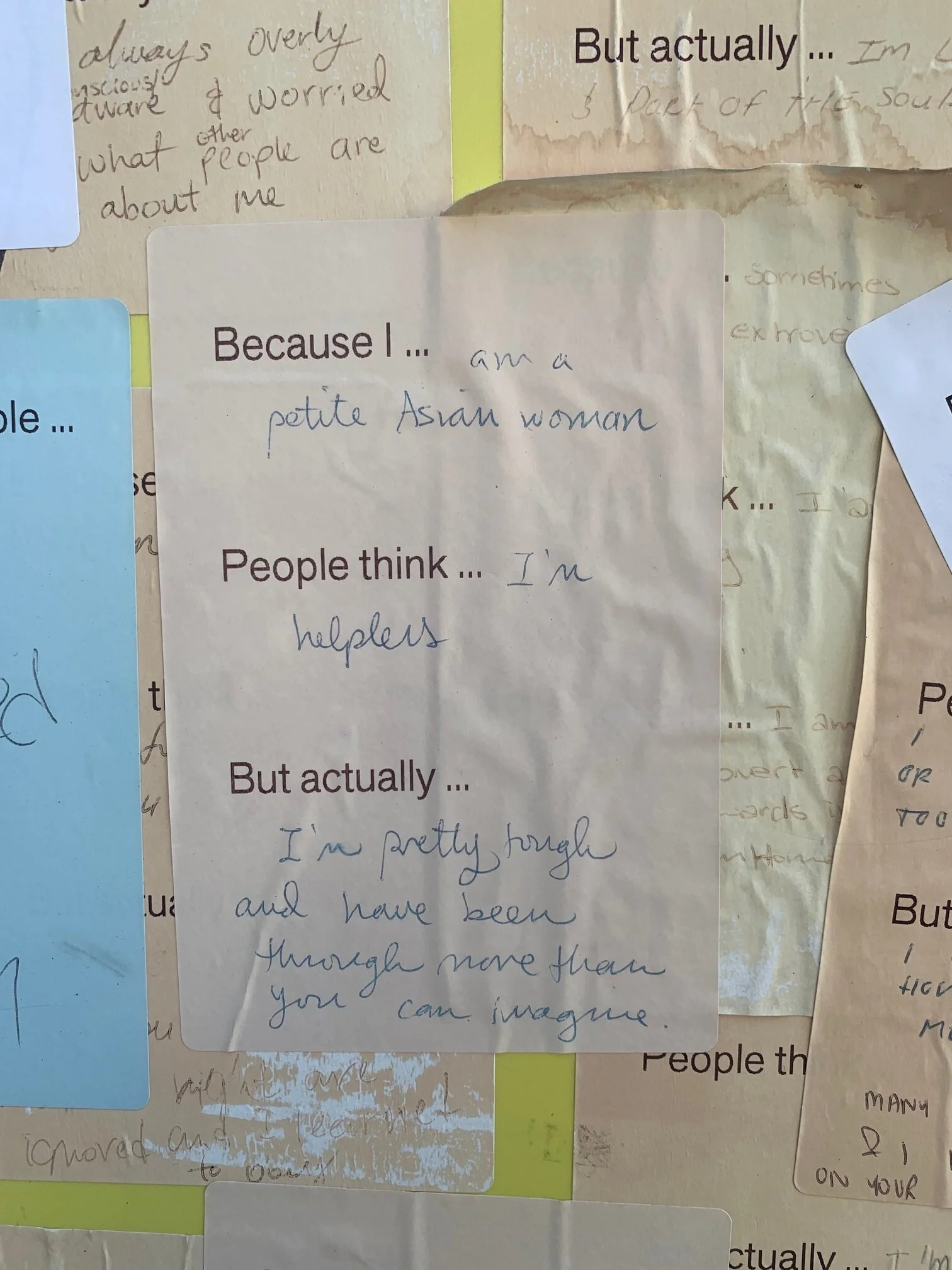
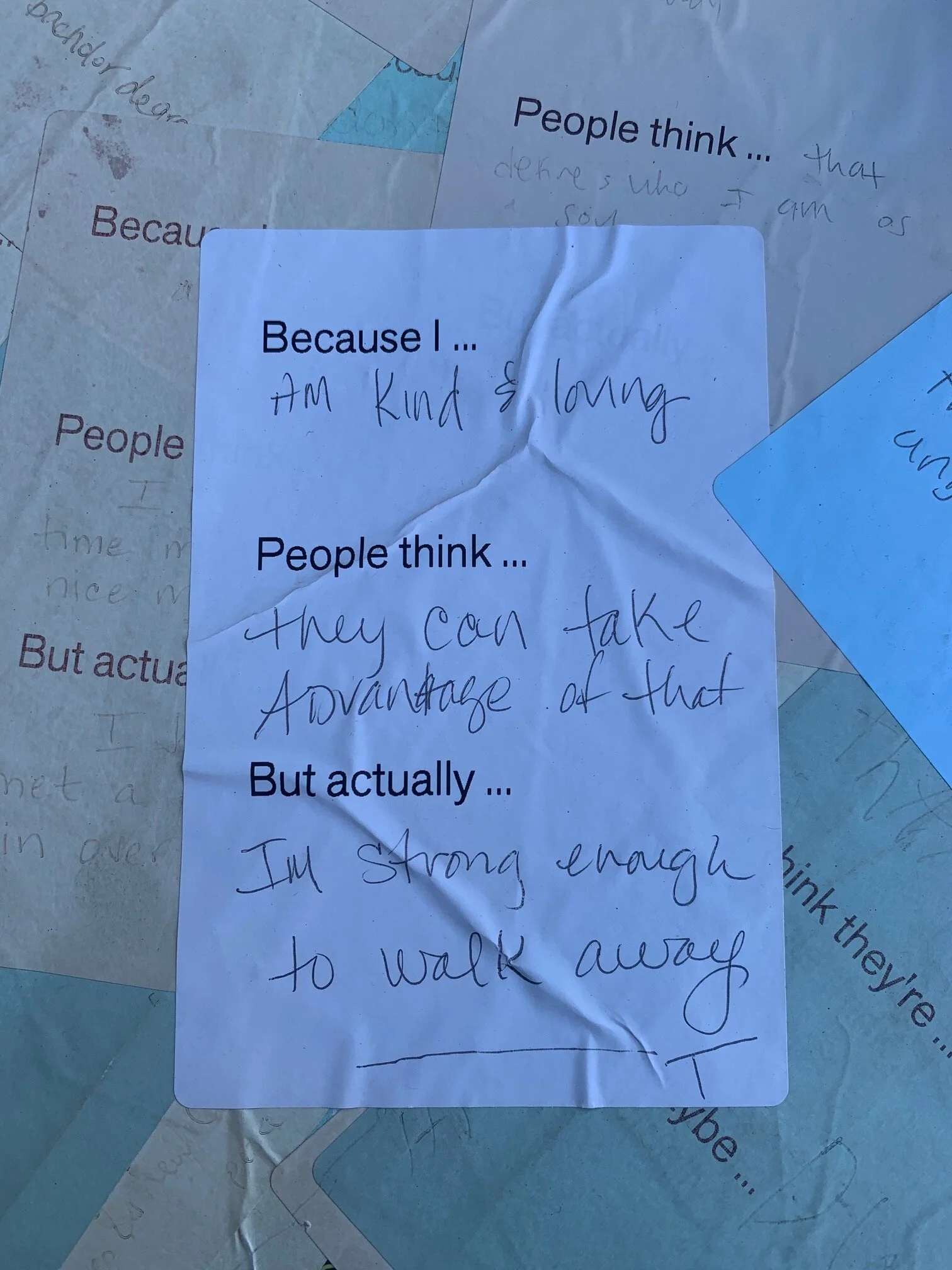
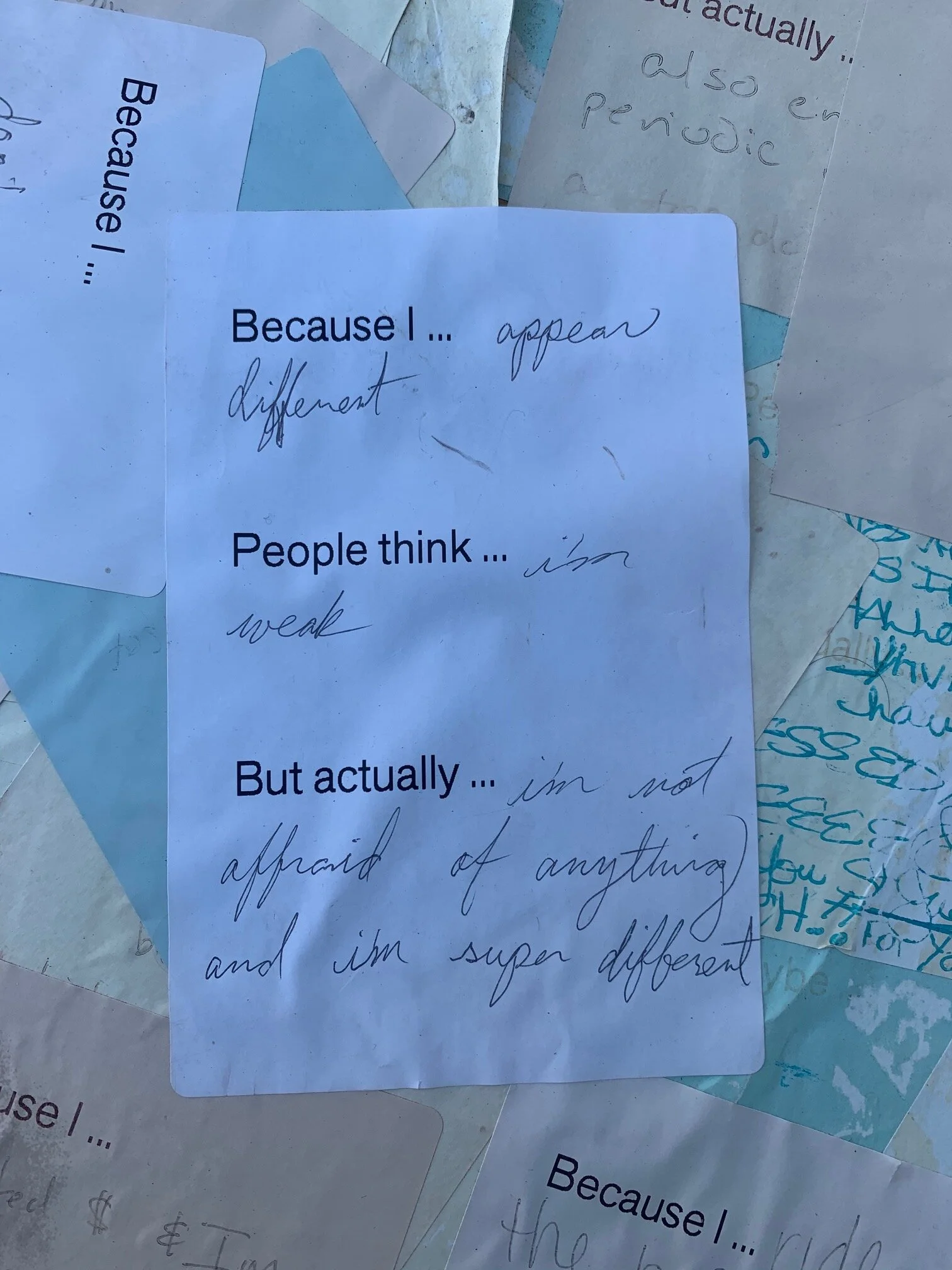
last september marked 14 years of living with a traumatic brain injury. below are several bits i wrote during my recovery.
looking through them, i noticed how much i was trying. always trying. to rebuild myself. to accept myself. to live above circumstance.
so i wrote then wrote again.
if you want to see more, head over to my instagram page.
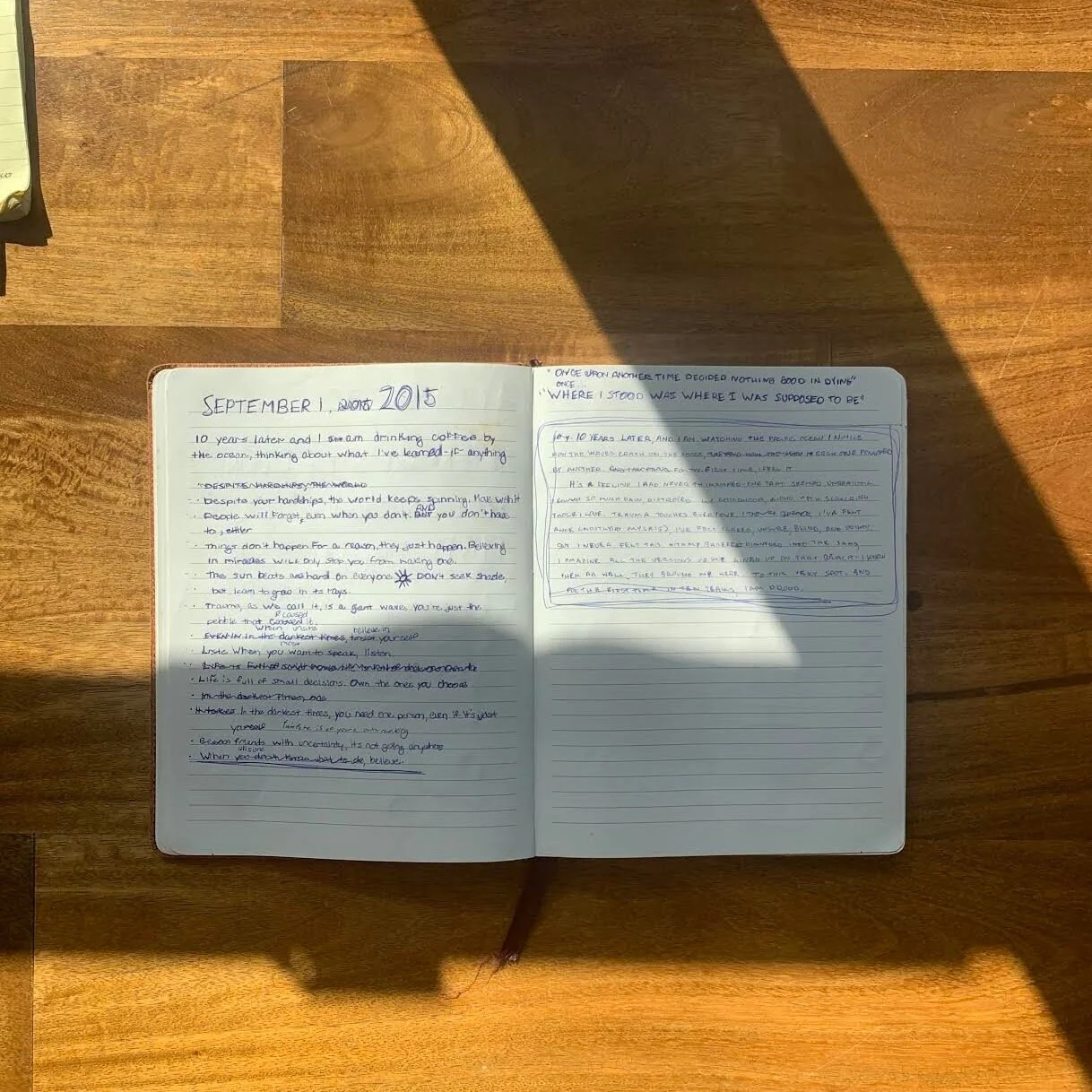
notebook: 2015
10 years out, i stood on the beach and wrote some learnings
1. despite your hardships, the world keeps spinning. move with it.
2. people will forget, even when you can't. But you don't have to.
3. don’t believe in miracles. make one.
4. the sun beats hard on everyone. grow in its rays.
5. trauma is a giant, endless wave.
6. if unsure, trust yourself.
7. when you want to speak, listen.
8. life is full of small decisions. own the ones you choose.
9. your brain. your choices.
10. be friends with uncertainty. it's not going anywhere.
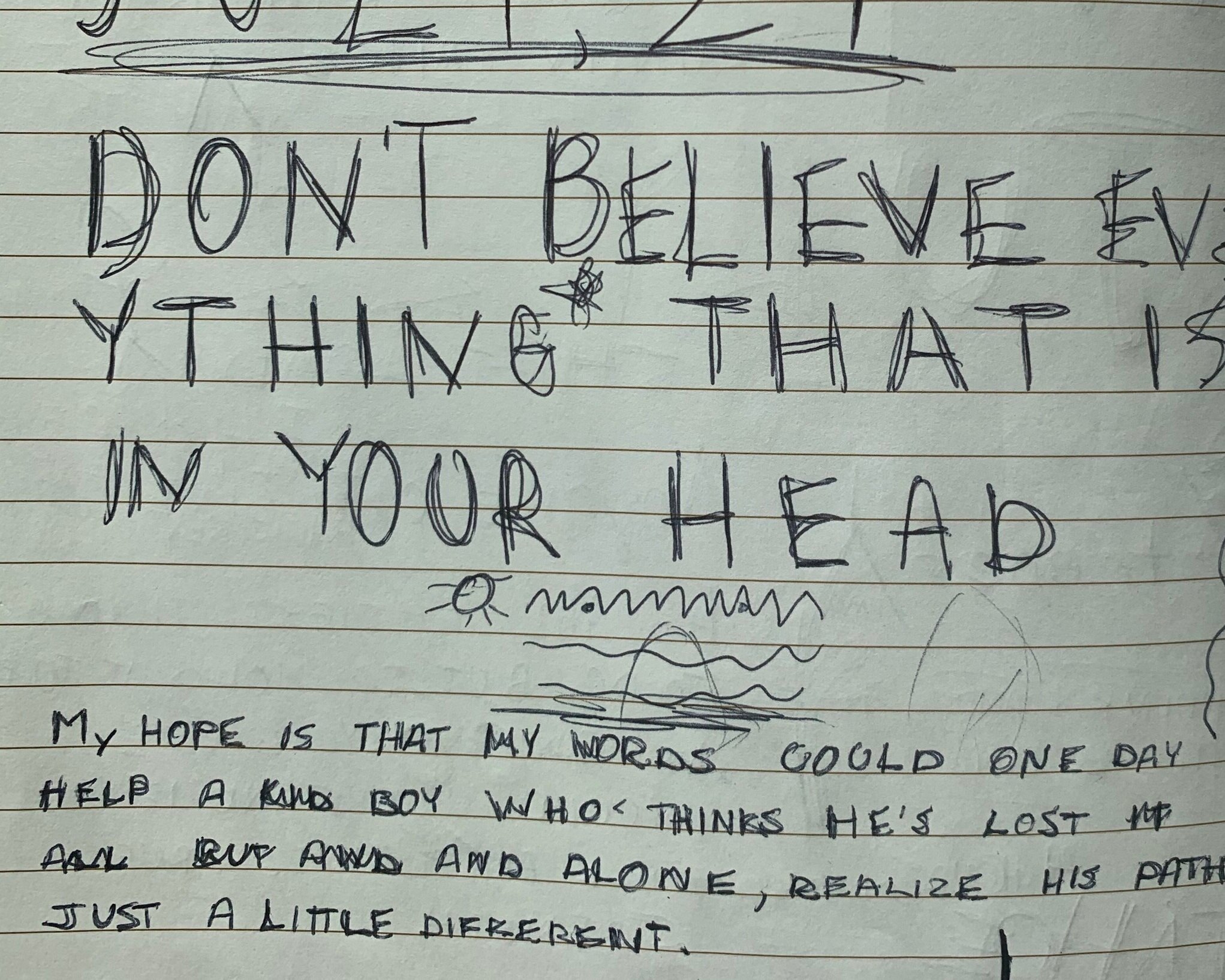
notebook: 2014
“my hope is that my words could one day help a boy who thinks he’s lost and alone realize his path is just different”
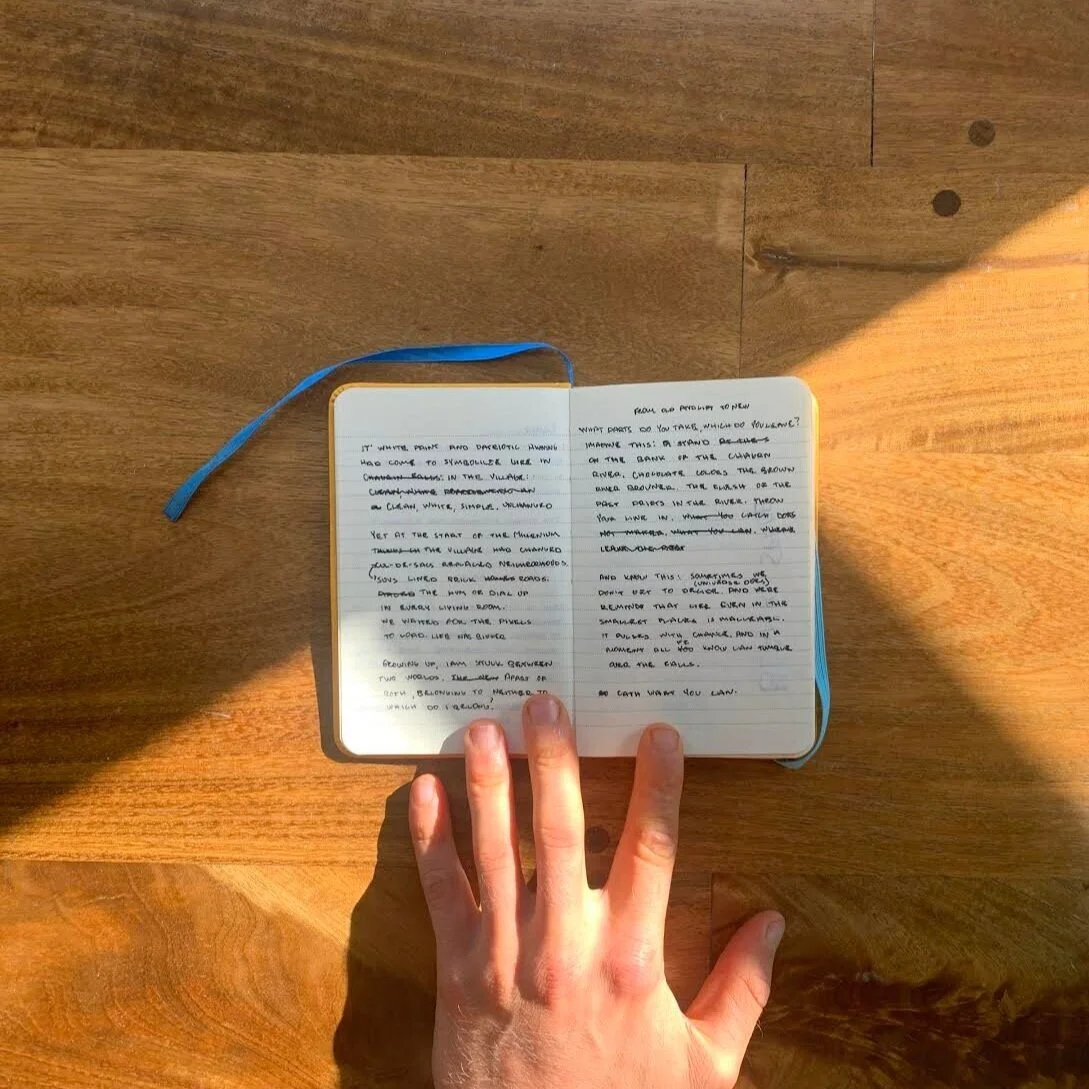
notebook: 2013
“we can’t hold signs that read: yes, i have lived through some shit, so we are silent”
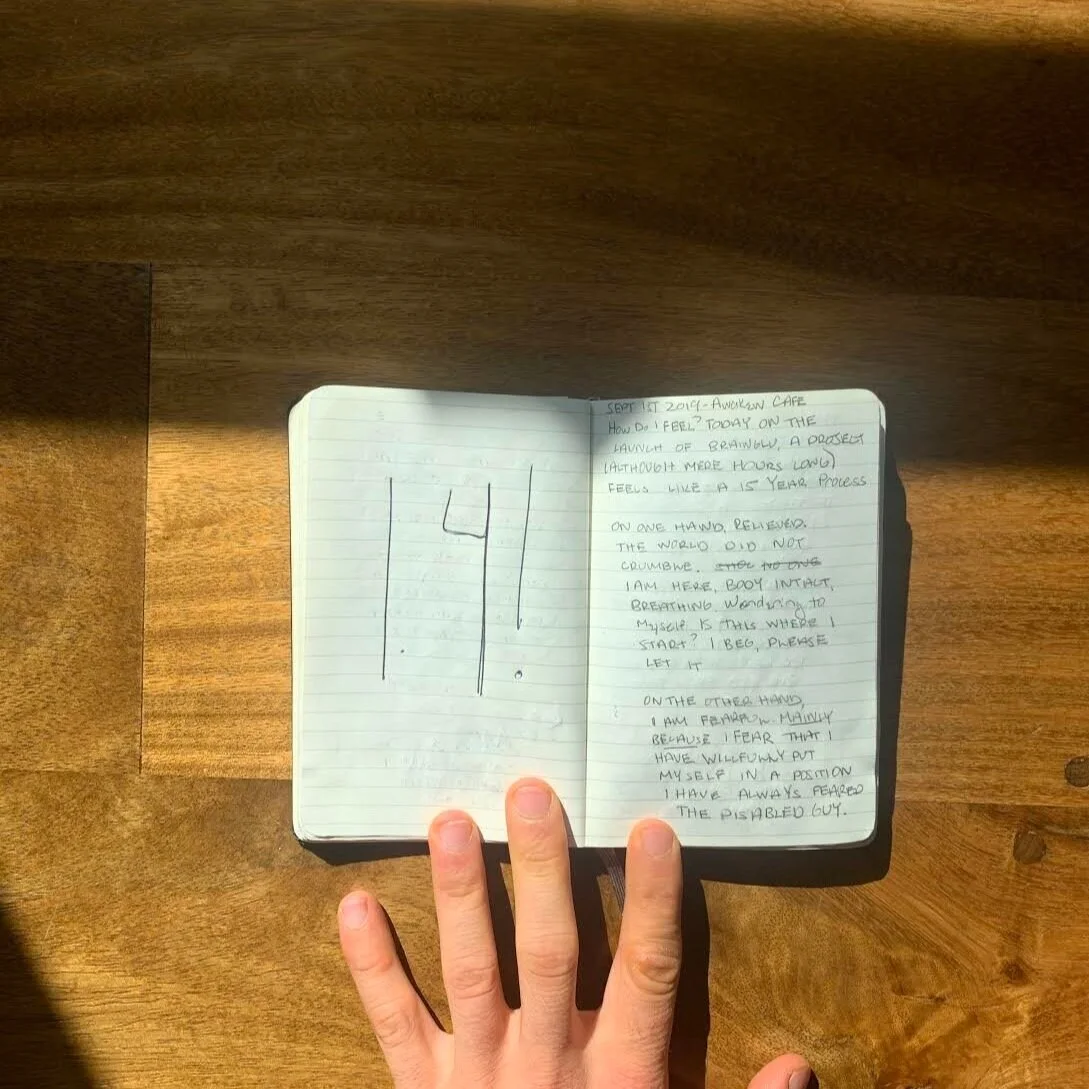
notebook: 2019
…i am not my disability. but it is certainly a part of me. i cannot severe the tie that binds us together. and i am no longer trying to.”
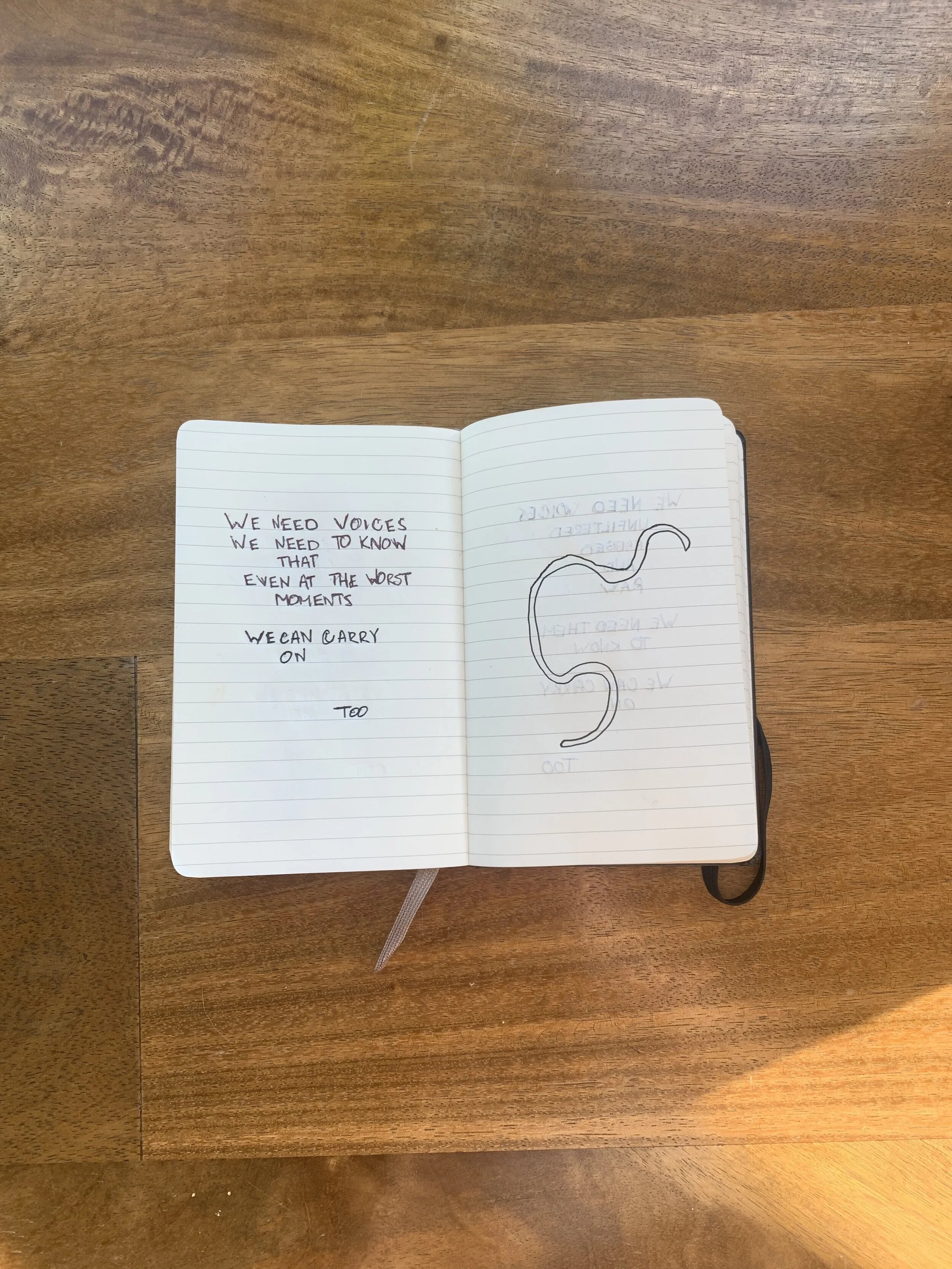
we need voices. we need them to know that- even in the worst moments.-we can carry on too
lying is exhausting. invisibility is isolating. in short, the community needs it and i do too.
so, i’m tommy. i’ve lived with severe traumatic brain damage for 14 years.
this is me writing about it.
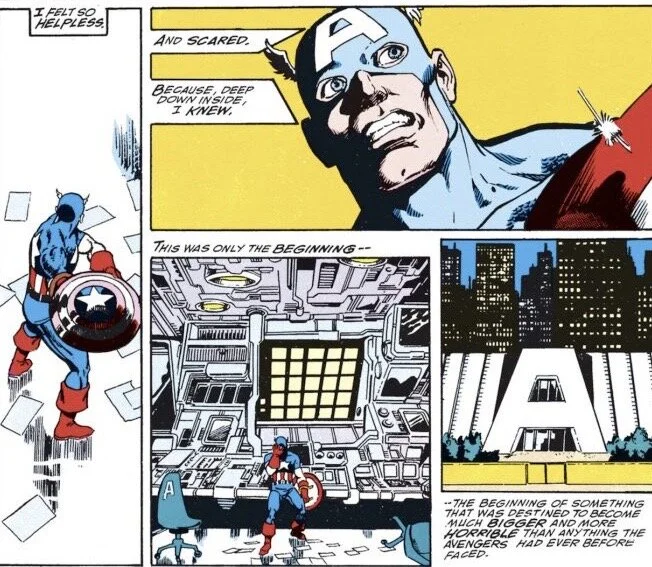
often, the difference between action and inaction is fear. Our relationship to it. how we approach it. what we do with it.
this writing exercise, developed by author tim ferriss, asks you to define, confront, and plan for your fears.